Morse Code for Kids – Fun Ways to Learn and Play With Secret Signals
Kids love secret messages. Give them a flashlight, a notebook, or a simple code chart, and suddenly the whole house turns into a spy mission. That’s probably one reason why Morse Code for Kids still feels exciting, even though it was invented nearly 200 years ago.
The cool thing is that Morse code isn’t just fun. It also teaches pattern recognition, listening skills, memory, communication, and problem-solving without feeling like homework. A child tapping dots and dashes on a desk is actually learning timing, sequencing, and basic coding logic at the same time.
Some parents even pair Morse lessons with printable activities from educational websites. A few of those sites also include fun extras where you can get 20+ dinosaur coloring pages, which honestly makes learning sessions easier because kids enjoy switching between activities instead of sitting through long lessons.
If your child already experimented with a morse code generator, they’ll probably enjoy creating secret messages for friends or siblings next. Kids usually love seeing their own names transformed into dots and dashes. It feels like discovering a hidden language.
Things get even more interesting when children use a morse code image decoder to read signals from flashlights, symbols, or visual patterns. Some teachers turn this into classroom scavenger hunts, and it works surprisingly well because kids naturally enjoy puzzles.
What Is Morse Code?
Morse code is a communication system that uses short and long signals to represent letters and numbers.
- Short signals are called dots
- Long signals are called dashes
Each letter has its own pattern.
For example:
- A =
.- - B =
-... - C =
-.-.
Kids usually pick up simple letters faster than adults expect. A lot of them memorize patterns through rhythm instead of studying charts directly.
That’s why Morse Code for Kids works best when it feels playful instead of overly technical.
Why Kids Enjoy Learning Morse Code
Children naturally enjoy activities that involve mystery, sounds, movement, and teamwork. Morse code combines all four.
A child can:
- Tap messages on a table
- Blink flashlight signals
- Decode hidden clues
- Create secret notes
- Send messages to friends
It doesn’t feel like traditional studying.
That matters because kids learn faster when they’re curious.
Some children especially enjoy Morse code games for kids because they feel like detective missions or spy adventures. Honestly, even adults get pulled into it sometimes.
A Quick History Kids Can Understand
Morse code was developed during the 1830s and 1840s by Samuel Morse and other inventors working on telegraph communication systems.
Back then, people couldn’t text, email, or send voice messages instantly. Telegraph wires carried electrical signals over long distances, and Morse code turned those signals into readable communication.
For kids, it helps to explain it this way:
“Morse code was basically the texting system before phones existed.”
That comparison usually clicks immediately.
Teaching the history of Morse code also helps children understand how communication evolved over time.
Easy Ways to Start Morse Code for Kids
The simplest approach is usually the best.
Children don’t need complicated equipment or advanced lessons to begin learning.
Start With Their Name
Kids love hearing or seeing their own names translated into Morse symbols. It creates instant personal connection. Write the name in Morse code and let them decode it letter by letter.
Use Sound Instead of Memorization
Many children learn faster through rhythm.
Try:
- Clapping dots and dashes
- Tapping on desks
- Using toy drums
- Playing beep sounds
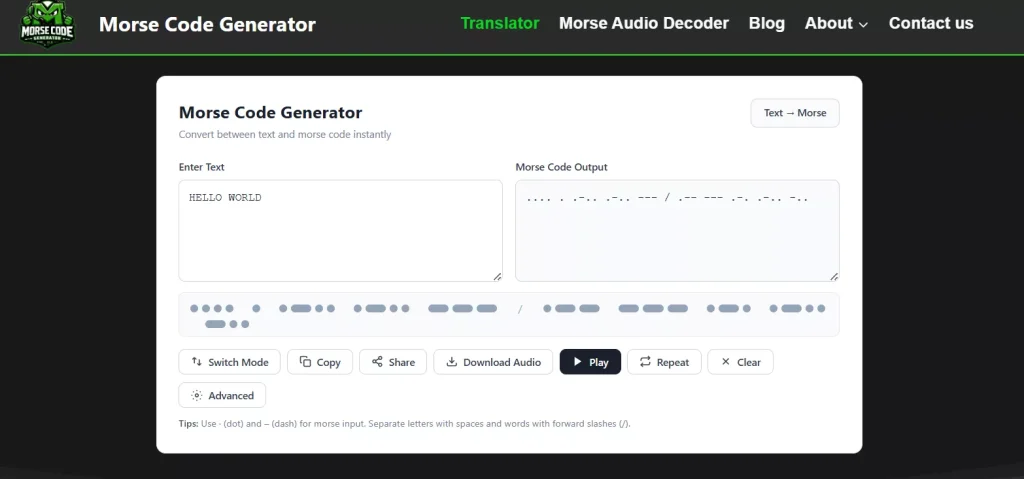
Morse code sound practice feels more interactive than staring at worksheets.
Learn Common Words First
Instead of teaching the entire alphabet immediately, start with:
- HI
- SOS
- YES
- NO
- CAT
- DOG
Short words build confidence quickly.
Turn It Into a Secret Code Game
This works almost every time. Write hidden messages around the room and let kids solve clues using a printable Morse code chart. Even reluctant learners usually participate once there’s a mystery involved.
Fun Morse Code Activities for Children
Flashlight Communication
This classic activity never really gets old. Kids use flashlights to blink messages across a room or backyard. It teaches timing and concentration while still feeling playful.
Morse Code Scavenger Hunt
- Hide clues written in Morse code around the house or classroom.
- Each decoded clue leads to the next location.
- This combines movement, teamwork, and decoding skills naturally.
Secret Friendship Notes
Children can write notes in Morse code and exchange them with classmates or siblings. It feels private and exciting, even if the messages are simple.
Tap Code Games
Kids tap dots and dashes on tables while others guess the message. It’s simple, requires no equipment, and works well during classroom activities.
Morse Code Bracelets
Some children enjoy turning Morse patterns into bead bracelets using different colored beads for dots and dashes. Creative activities help visual learners remember patterns better.
Morse Code Educational Activities at School
Teachers often use Morse code lessons because they connect multiple subjects together.
A single activity can include:
- History
- Language arts
- Problem-solving
- Listening practice
- Pattern recognition
That versatility makes classroom Morse code activities surprisingly useful.
Some homeschool Morse code lessons also introduce basic communication technology and signal systems. Kids start understanding how messages travel and why coding systems matter.
And honestly, many students enjoy Morse code because it feels different from standard worksheets.
Morse Code Alphabet for Kids
The Morse code alphabet may look intimidating at first, but kids usually learn it piece by piece.
A printable Morse code chart helps children visually connect symbols to letters. Some beginner-friendly teaching methods include:
- Grouping similar letters together
- Using rhythm memory tricks
- Practicing only five letters at a time
- Repeating common words daily
Children often memorize letters through sound patterns naturally.
For example:
- E is a single dot
- T is a single dash
Those simple letters become easy starting points.
Can Morse Code Help Brain Development?
In small ways, yes.
Learning Morse code encourages:
- Memory building
- Listening accuracy
- Pattern recognition
- Attention to detail
- Sequential thinking
It’s not magic brain training or anything dramatic, but it does engage multiple thinking skills at once. Kids especially improve when Morse activities involve movement or teamwork instead of passive memorization. Some children who struggle with traditional learning actually enjoy communication games because they feel more hands-on.
Is Morse Code Secure?
Kids sometimes ask funny questions once they realize adults can’t immediately read their messages. That naturally leads to: is morse code secure? The honest answer is no, not really. Morse code itself isn’t encryption. It’s simply another way of writing messages using sound or signals.
Anyone who knows the patterns can decode it. Still, for kids, it feels secret because most people around them won’t recognize dots and dashes instantly. That little sense of mystery is part of the fun.
Does Morse Code Support Multiple Language Systems?
Yes, it does.
A lot of beginners think Morse code only works in English, but does morse code support multiple language communication? Absolutely. International Morse code includes extra symbols and adaptations for different alphabets and accented letters.
Many countries created their own adjustments over time. That’s actually a good lesson for children because it shows how communication systems evolve based on language and culture.
Morse Code Worksheets and Printable Activities
Printable activities work especially well for younger learners.
Popular resources include:
- Morse code flashcards for kids
- Decode-the-message worksheets
- Morse alphabet coloring sheets
- Matching games
- Secret message puzzles
- Morse tracing activities
A lot of parents print simple charts and laminate them for repeated use.
Teachers also create classroom decoding stations where students rotate through mini Morse challenges.
The physical interaction helps children stay engaged longer.
Audio and Light Signal Learning
Some kids learn visually. Others learn by hearing.
That’s why Morse code audio for kids can be surprisingly helpful.
Children often enjoy:
- Listening to beep signals
- Matching sounds to letters
- Flashlight communication
- Watching blinking light demonstrations
It turns learning into an active experience instead of just reading symbols on paper. Oddly enough, many children start recognizing SOS by sound alone after only a few practice sessions.
Pros and Cons of Morse Code for Kids
Pros
- Encourages creative thinking
- Builds listening and memory skills
- Makes learning interactive
- Works well in groups
- Introduces communication history
- Doesn’t require expensive equipment
Cons
- Some kids lose interest if lessons become repetitive
- Memorization takes patience
- Long practice sessions can feel tiring
- Younger children may confuse similar patterns
The trick is keeping activities short, playful, and varied. Kids usually respond better to games than lectures.

Safety Tips for Morse Code Activities
Most Morse code activities are completely safe, but basic precautions still matter.
Flashlight Use
Avoid shining bright lights directly into someone’s eyes.
That sounds obvious, but excited kids forget sometimes.
Online Morse Tools
If children use Morse code translator websites, parents should supervise younger users and avoid unfamiliar downloads.
Outdoor Activities
If kids practice flashlight signaling outside at night, adults should supervise the activity and keep sessions in safe areas. Simple common sense goes a long way here.
How Parents Can Make Learning Easier
Parents don’t need to become Morse experts.
Just participating casually helps.
Try:
- Sending bedtime Morse messages
- Hiding simple coded notes
- Practicing one word per day
- Using rewards during scavenger hunts
- Turning learning into family games
Children often stay motivated when adults join the activity instead of treating it like schoolwork.
And honestly, decoding messages together can be pretty entertaining.
Final Thoughts
Morse Code for Kids works because it blends learning with curiosity. Children aren’t just memorizing symbols. They’re solving puzzles, sending secret messages, and exploring an old communication system in a hands-on way.
The best part is how flexible it is.
A child can practice with:
- Flashlights
- Sounds
- Printable worksheets
- Tapping games
- Classroom activities
- Secret note challenges
That variety keeps learning fresh and interesting. Some kids dive deep into Morse code history and radio communication. Others simply enjoy writing hidden messages to friends. Both approaches are valuable because they encourage creativity and problem-solving naturally.
And somewhere along the way, those random dots and dashes stop looking confusing. They start feeling like a real language kids can actually understand.